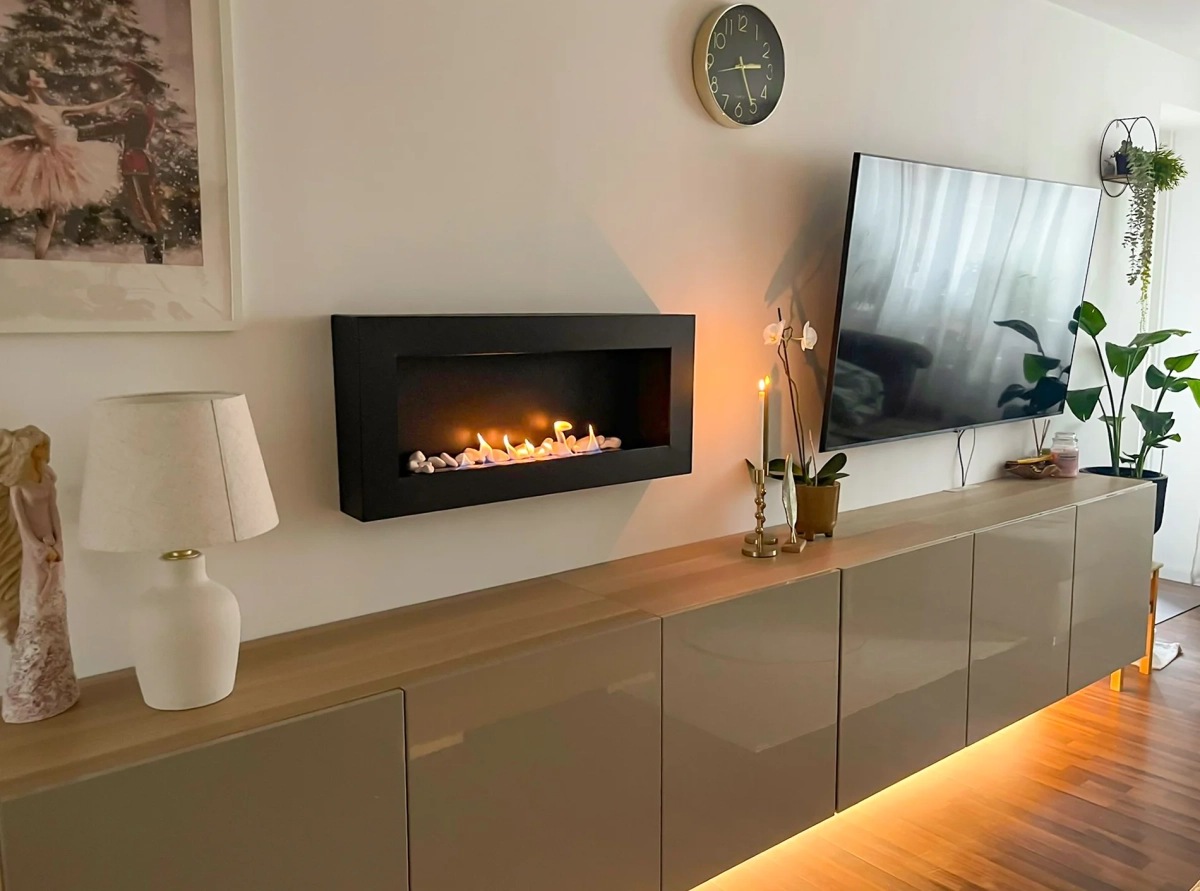
A private-label project can look deceptively simple on paper: choose a fireplace, add a brand, print a carton and start selling. The difficult part is usually everything around the logo. Which models belong in the first order? Which one should be the price-entry product? What will be easy to ship? Which technical statements can be used on the product page? And how much customisation makes sense before the range has sold a single unit?
Our preference is to answer those questions before discussing artwork. A smaller, coherent launch range is normally easier to explain to buyers, easier to merchandise and easier to replenish than ten products introduced at once without a clear role.
First decide where the range will actually be sold
An e-commerce operator and a fireplace showroom may buy from the same catalogue, but they do not need the same launch assortment. Online, product dimensions, packaged weight, visual differentiation and straightforward comparison matter immediately. In a design-led showroom, a larger statement model or a built-in cassette can earn its space because the customer can see the scale and finish in person.
That is why the B2Bio Fireplace private-label programme is divided into wall-mounted, built-in, tabletop and freestanding/outdoor families. The point is not to persuade a buyer to take every model. It is to make it possible to build a range that fits a particular channel.
Give every SKU a job
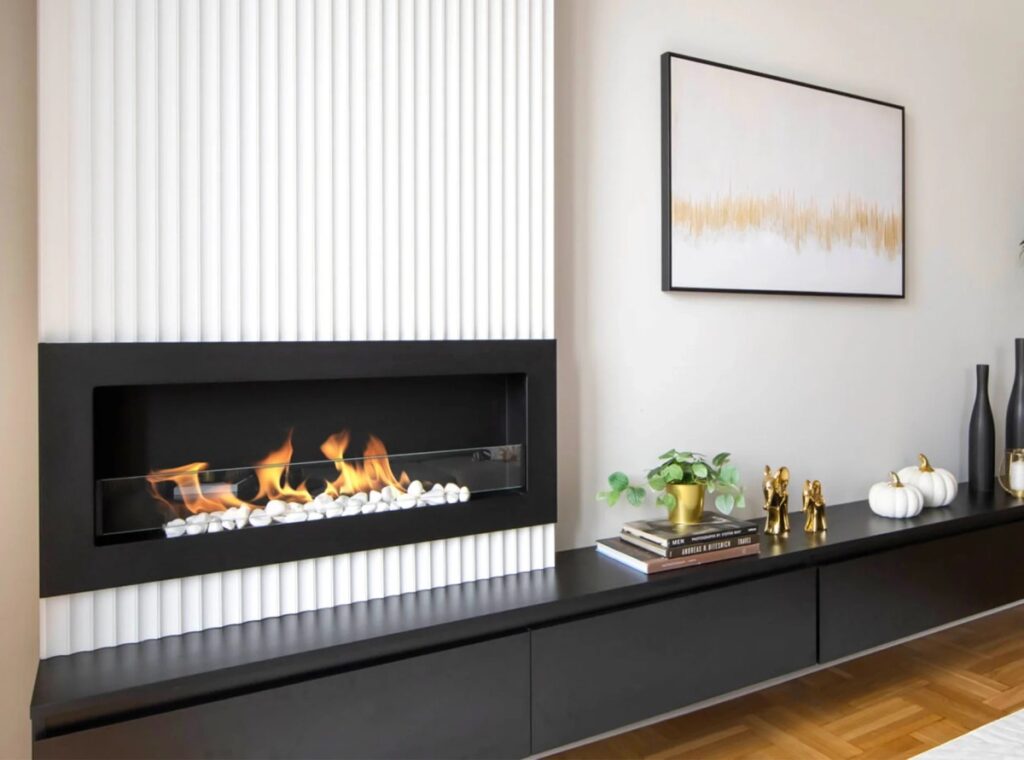
A useful range should have an obvious internal logic. A compact model can open the category at an accessible level. A 900 mm model can become the everyday core product. A deeper-frame version can create a premium alternative without forcing the retailer into a completely different size. A 1200 mm model can then provide the visual step-up for larger rooms.
If two products look interchangeable to the person buying them, they will probably feel interchangeable to the end customer as well. Before adding another SKU, we would ask what it adds: a different installation method, scale, margin opportunity, use case or design position.
Sample before you over-customise
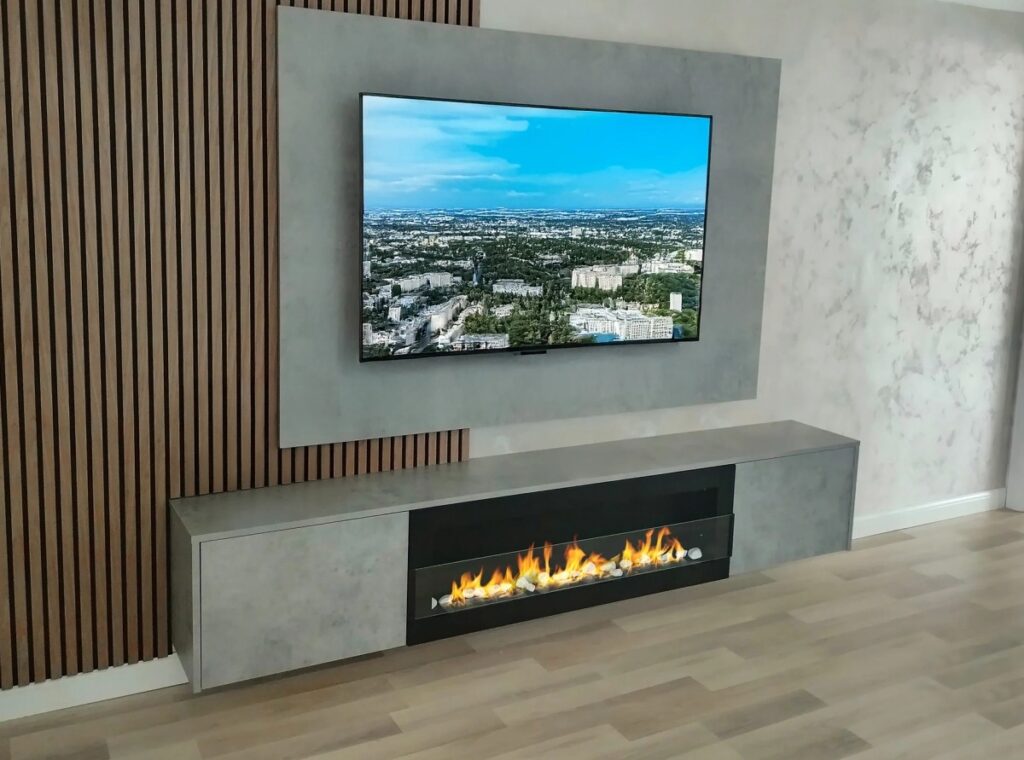
It is tempting to start with custom cartons, product badges and a large artwork project. We would normally validate the physical product first. A sample lets the buyer assess finish, proportions, packaging, flame presentation and the practical details that are difficult to judge from a PDF.
Once the chosen range is confirmed, branding can be scaled to the project. A neutral trade presentation is the quickest route. A labelled private-label programme adds the brand/model label, manual cover, carton label, barcode and agreed market language. A fuller retail pack can go further, subject to volume, artwork approval and production feasibility.
The technical file is part of the product
For a B2B buyer, the fireplace is not only the steel body and burner. The sellable product also includes accurate dimensions, installation information, packaging data, model references, the correct language set and the certification wording that will eventually appear on a website or manual.
Where a model is described with a TÜV-certified burner, the claim refers to the burner and the confirmed configuration. It should not be broadened into a claim about independent certification of the whole assembled fireplace unless the documentation specifically supports that statement. We prefer to match the certificate reference to the confirmed SKU before purchase-order release.
A practical sequence from idea to first shipment
Our working sequence is deliberately straightforward: select the market and models, confirm the commercial offer, validate a sample, approve artwork, close the order-specific technical dossier and only then release production. It is less glamorous than starting with packaging mock-ups, but it reduces expensive changes later.
In most cases, the best launch range is not the biggest one. It is the one that is easiest to explain, easiest to ship and easiest to reorder.
If you are evaluating a range for your own brand, start with the current Private Label programme. For MOQ, wholesale pricing, lead time and market-specific configuration, request the B2B commercial pack.