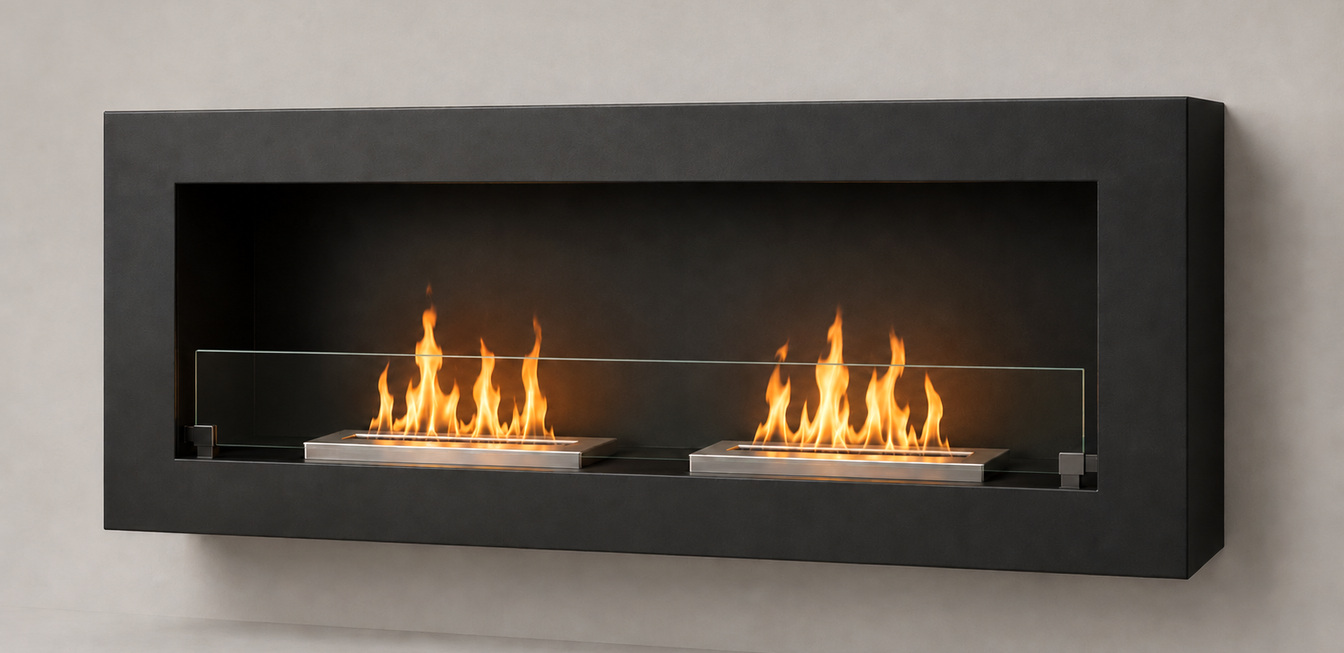
“TÜV certified” is a reassuring phrase, but in a trade catalogue the important question is simple: what, exactly, has been certified? For the ranges presented by B2Bio Fireplace, the answer may be the burner unit used in a confirmed configuration. That is useful information, but it is not the same as saying that every complete fireplace carrying that burner has an independent TÜV certificate as an assembled product.
This distinction is worth making early because certification language tends to travel. A sentence from a supplier document can quickly end up on a dealer website, marketplace listing or branded manual. If the original statement is broader than the supporting document, the problem multiplies across every channel.
Read the certificate against the actual SKU
We would not treat a certificate as a generic badge for an entire catalogue. The safer approach is to identify the burner reference in the model being ordered and match that reference to the relevant documentation. If a different burner, capacity or configuration is used, the paperwork should be checked again rather than assumed to be interchangeable.
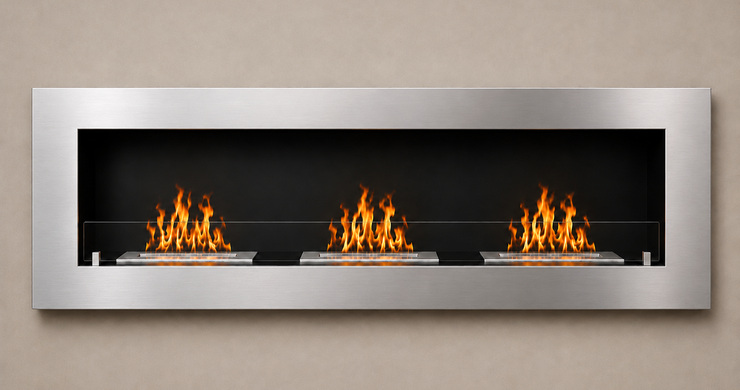
The burner is only one part of the finished fireplace
A complete fireplace also has a steel housing, glass where specified, dimensions, fixing or recess requirements, clearances, packaging and instructions. Those details affect how the product is installed, sold and described. A burner certificate does not automatically answer questions about the rest of the assembly.
That is why our technical pack is order-specific. Before a purchase order is released, the aim is to confirm the model code, burner reference, final dimensions, included accessories, glass specification where applicable, packaging information and installation documentation together.
What we would ask for before publishing a product page
- the exact fireplace model code;
- the burner model or confirmed burner configuration;
- the matching certificate copy or reference;
- final external and installation dimensions;
- glass inclusion and specification where applicable;
- installation instructions and safety clearances;
- the wording that can legitimately be used in the target market.
This is not about making a product page more cautious than necessary. It is about making the commercial claim traceable to the document behind it.
How we apply the same rule to HOMEART and Private Label
HOMEART uses TÜV-certified burner technology in the confirmed configurations stated for the collection. The private-label range follows the same principle at SKU level: certificate language is matched to the burner used in the ordered product rather than stretched across unrelated models.
In practice, careful wording protects everyone involved: the importer, the reseller and the end customer.
For the wider documentation approach, see Technical & Safety. You can also explore the four-model HOMEART Exclusive collection.