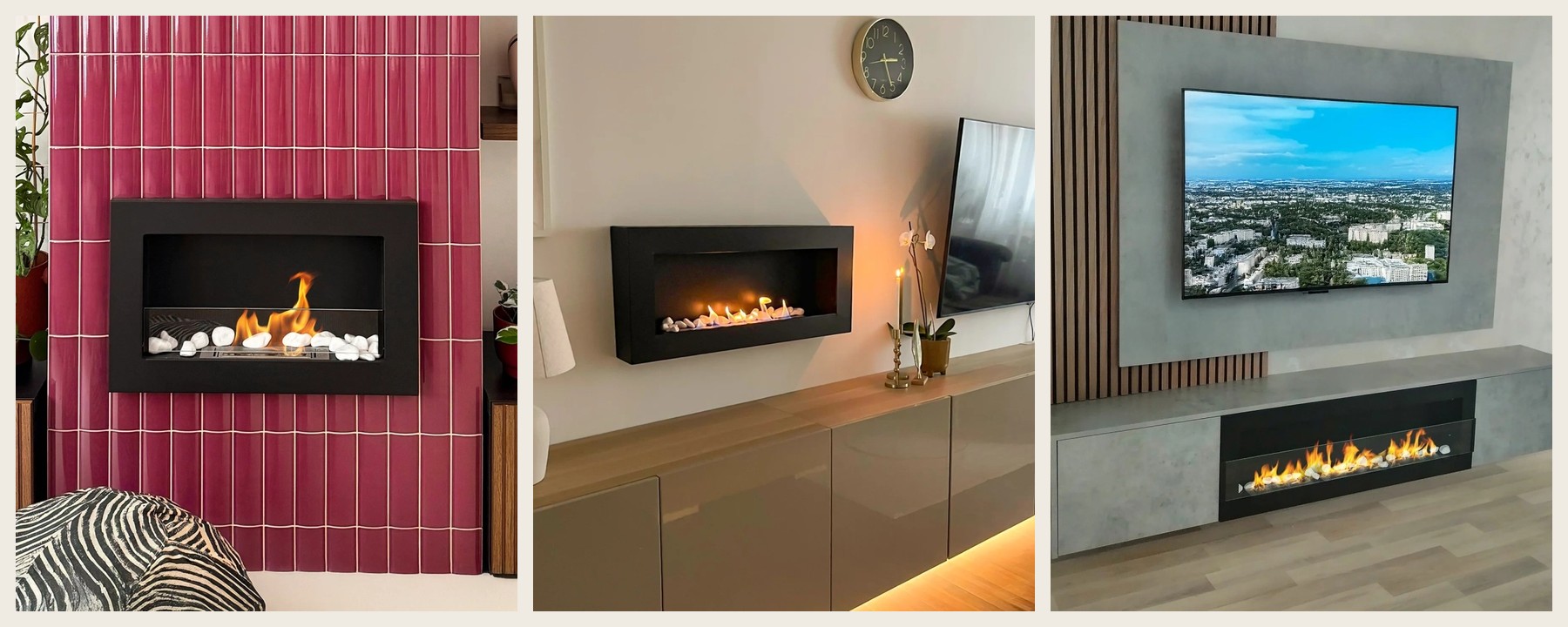
An online fireplace category can become confusing very quickly. Put six black rectangular fireplaces next to one another, give them similar names and the customer has to work too hard to understand the difference. That usually becomes a merchandising problem before it becomes an SEO problem.
A good online range does not need to be large. It needs to be easy to understand. If two products look almost identical, sit at a similar price and solve the same problem, one of them may not deserve a place in the first assortment. We would rather launch five models with five clear roles than fifteen products that force the customer to compare specification tables before understanding what is different.
Start with fewer SKUs, but give each one a job
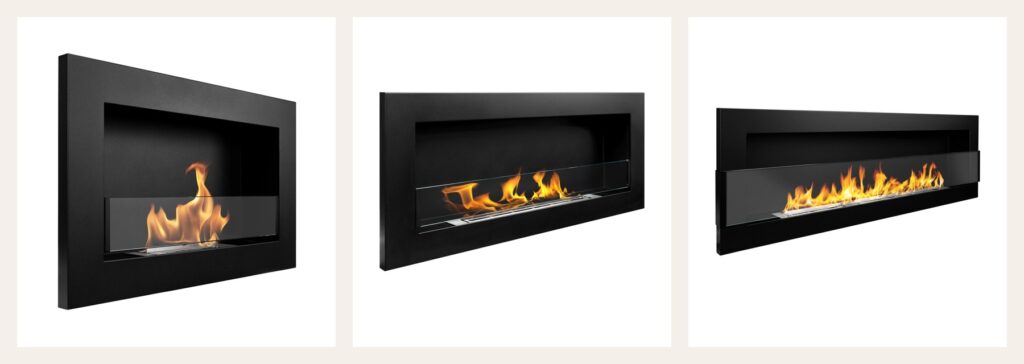
The first range should have an internal logic that a buyer can recognise in a few seconds. One model can open the category at an accessible level. A second can become the core seller. A wider or more visually substantial model can create the premium step. A built-in option can serve customers who are planning the fireplace into the architecture rather than adding it to a finished room.
The question we would ask before adding any SKU is simple: what does this product add to the range? If the answer is not clear, the product may make the catalogue longer without making the buying decision easier.
Build a price ladder the customer can understand
The entry model should have a reason to be cheaper, and the next step should give the customer something visible or useful in return for the higher price. That might be greater width, a different installation format, a stronger visual presence or a more premium finish.
A price ladder works when the customer can understand the upgrade without opening five browser tabs. If the difference between two prices can only be explained by a long technical paragraph, the assortment probably needs another look.
Choose products that are easy to explain online
Some fireplaces sell naturally through a showroom because scale, finish and proportion are obvious in person. E-commerce removes that advantage. The product page has to do the explaining instead.
That makes visible differentiation especially valuable. A compact model, a core wall-mounted model, a wider statement piece and a built-in format create a clearer story than several products that differ only in small specification details. The aim is not to simplify the product itself; it is to simplify the customer’s decision.
Product data should reduce uncertainty
Good product data is not there to make the page look technical. It should answer the questions that stop a customer from buying. How large will the fireplace look in the room? Is it wall-mounted or built-in? What is included? Which finish is being shown? What should the installer know before the order arrives?
For professional and private-label buyers, the same principle continues behind the public product page. Model references, packaging information, installation documentation and certificate wording should be matched to the confirmed SKU rather than copied from a visually similar product. The Technical & Safety section explains that documentation approach in more detail.
Photography should answer questions, not only create atmosphere
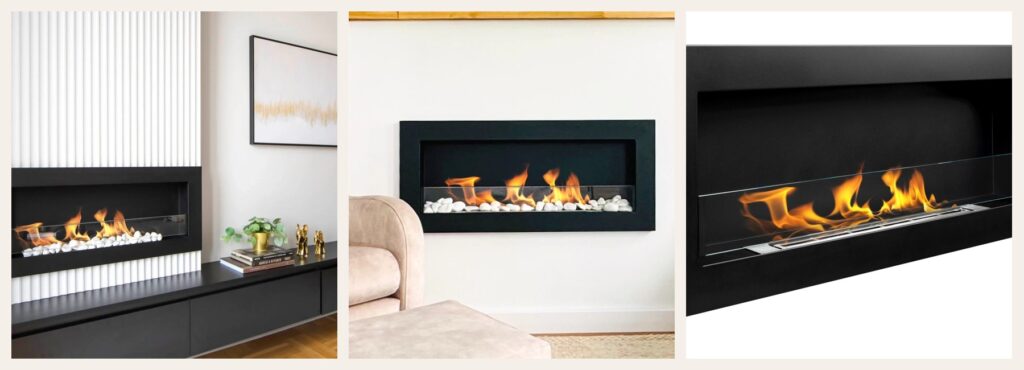
Ambient photography is useful because it shows scale and styling, but one attractive room image is rarely enough for e-commerce. A clean product image helps comparison. A second interior shows how the same model behaves in another context. A closer or more neutral view can clarify frame shape, glass and overall proportion.
Consistency matters too. When every product is photographed in a completely different style, the customer starts comparing photographs rather than fireplaces. A repeatable media pack makes the range easier to merchandise on the brand site, dealer sites and marketplaces.
Think about logistics before you promote the range
A product can look commercially attractive until packaging, delivery cost and damage risk are added. For an e-commerce operator, those are not back-office details: they affect the price the customer sees and the margin left after the order is delivered.
We would therefore confirm the practical logistics profile before building advertising around a model. It is much easier to change the launch assortment before the campaign starts than after a product has already been positioned as a hero SKU.
Launch, watch what customers do, then expand
The goal is not to publish the largest catalogue. It is to make every product easy to understand, easy to compare and easy to buy. Once the first range starts producing real customer behaviour, enquiries and sales data, expanding it becomes a much better-informed decision.
If you want to launch the range under your own brand, explore the Private Label programme. For dealer, distributor or project routes, see For Professionals. For MOQ, wholesale pricing, lead time and market-specific planning, request the B2B commercial pack.